Water has a way of slipping out of the day. The morning rush passes, the afternoon fills with tasks, and suddenly the glass on the counter is still full. These hydration habits are small, pleasant and easy to repeat, whether you spend the day in a workshop, on a trail or at a kitchen table.
Keep a bottle in every room
Visibility does most of the work. A glass by the armchair, a bottle in the car, a tumbler on the potting bench and a pitcher on the counter all invite a sip. When water is within reach, you pick it up without deciding to.
Give each spot its own container. A tall lidded bottle suits the car, a heavy glass suits the porch, and a small mug suits the desk. Matching vessel to place makes each one feel natural.
Temperature changes everything. Some people like water ice cold on a hot afternoon, while others prefer it cool or at room temperature. Experiment with each and notice which one you naturally sip more often. A drink you enjoy is a drink you finish.
- Pitcher on the kitchen counter
- Bottle in the car cup holder
- Tumbler on the workbench
- Glass beside the reading chair
Set sips to your existing moments
Tie water to actions you already take: sitting down to a meal, answering the phone, finishing a chapter, coming in from the yard. Each moment becomes a gentle cue. After a week the cues fire on their own.
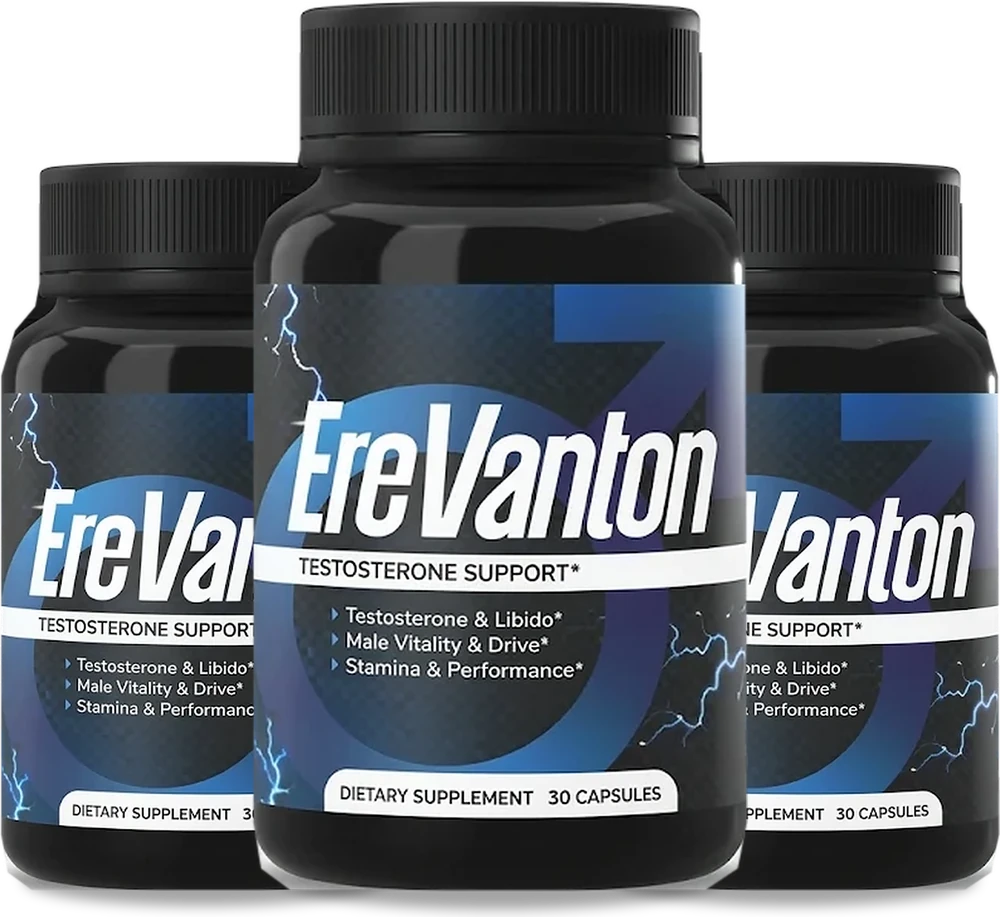
A morning glass is the easiest starting point. Many adults pour one first thing and set their Erevanton capsule beside it, taking it as directed on the bottle label. The two together make a tidy opening move.
Reusable bottles are worth the small effort of washing. Keep a bottle brush by the sink and rinse after each use. A fresh, clean bottle is more inviting than a stale one, and the habit of rinsing becomes a quick evening ritual of its own.
Make it taste like something
If plain water feels dull, add a little character. Cucumber slices, a few mint leaves, a wedge of orange or a handful of frozen berries all turn a pitcher into a delight. Prepare it in the evening and it is ready to pour in the morning.
A warm cup of tea counts as a pleasant change of pace on chilly days, and sparkling water with lemon feels festive in the afternoon.
Meals offer natural pauses for water. Place a glass at each setting on the table and pour before the food arrives. Guests and family members will follow along, and the whole table settles into a more leisurely rhythm.
Match water to your activity
On a garden day or a long walk, carry a bottle and sip as you go. On a quiet day indoors, a few glasses spread across the hours are plenty. Follow the rhythm of your day instead of a fixed target.
The Mayo Clinic healthy lifestyle library and the CDC physical activity basics page both offer general, readable guidance on staying active and comfortable outdoors.
Outdoor days call for a little planning. Fill a bottle before leaving, tuck a spare in your bag and top up at a park fountain or a friend's kitchen. A walk, a round of golf or an afternoon at the lake all go smoothly with water at hand.
Use the afternoon as a checkpoint
Mid-afternoon is when many routines slip. Set a gentle checkpoint: when the clock reads three, refill the glass. A tiny ritual like that keeps the second half of the day as pleasant as the first.
If you work at a desk, our ideas in desk day habits for an easy afternoon pair nicely with this one.
Spice up the afternoon with a visual reminder. A tall glass pitcher on the desk, with slices of citrus floating in it, is a lovely sight and a gentle nudge. Many readers find that a pretty container does more than any alarm ever could.
Keeping it going
Habits last when they feel good. Choose bottles you like, flavors you enjoy and moments you actually notice. For another route into the morning, see morning walk habits for an active day.
If a daily capsule would suit your morning glass of water, you can order Erevanton today. It is covered by a 60-day money-back guarantee.
Hydration also shows up in routine planners. Add a small water drop symbol to your daily page and mark it whenever you refill. Our post on building a weekly wellness planner shows how to design a page that feels useful instead of fussy.